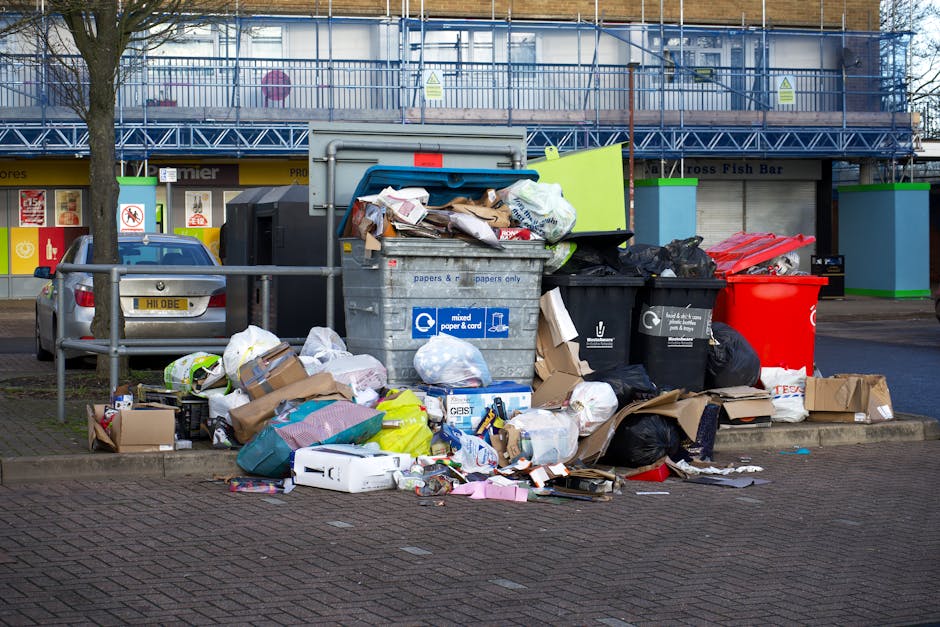
Local landlord case study rubbish clearance Parsons Green
If you manage a rental in Parsons Green, you already know the awkward part of turnover is rarely the paperwork. It is the stuff left behind: broken furniture, bagged clutter, old bedding, random bits in cupboards, and the odd appliance that somehow ended up in the wrong room. A local landlord case study rubbish clearance Parsons Green is useful because it shows what actually happens when a property needs to be turned around quickly, without cutting corners.
This article looks at the practical side of landlord rubbish clearance in Parsons Green: why it matters, how the process normally works, what to watch for, and how to avoid the common mistakes that slow everything down. If you are comparing options, trying to protect a deposit handover, or just wanting the flat ready for viewings sooner, you will find something useful here. Truth be told, the cleanest jobs are usually the ones that were planned a little before the last minute.
Table of Contents
- Why Local landlord case study rubbish clearance Parsons Green Matters
- How Local landlord case study rubbish clearance Parsons Green Works
- Key Benefits and Practical Advantages
- Who This Is For and When It Makes Sense
- Step-by-Step Guidance
- Expert Tips for Better Results
- Common Mistakes to Avoid
- Tools, Resources and Recommendations
- Law, Compliance, Standards, or Best Practice
- Options, Methods, or Comparison Table
- Case Study or Real-World Example
- Practical Checklist
- Conclusion
- Frequently Asked Questions
Why Local landlord case study rubbish clearance Parsons Green Matters
Landlords in Parsons Green are often working to tight changeover windows. Tenancies end, the property needs checking, and suddenly the place has to move from lived-in to lettable. That sounds simple until you see how quickly rubbish affects the whole impression of a flat. One bag of mixed waste in the hallway, a half-dismantled wardrobe in a bedroom, or a mattress left in the wrong place can make a property feel neglected even when the structure itself is fine.
In a local rental market, first impressions matter more than people like to admit. A clear, tidy flat photographs better, presents better at viewings, and tends to feel easier to maintain. It also reduces the risk of a minor issue becoming a bigger one. For example, damp cardboard left in a cupboard can start smelling, and old food packaging can attract pests. Not glamorous, but very real.
A landlord case study is especially helpful because it shifts the conversation away from theory. It becomes about the practical decisions that save time: what should be removed first, what should be separated for recycling, what needs specialist handling, and how to avoid leaving the outgoing tenant's mess to disrupt the next let. If the property also needs a broader tidy-up, a flat clearance service or home clearance support can be part of the solution.
And yes, the local part matters. Working in and around Parsons Green usually means dealing with access quirks, parking pressure, shared entrances, and neighbours who would quite like the job done quietly and quickly. The cleaner the plan, the smoother the day.
How Local landlord case study rubbish clearance Parsons Green Works
Most landlord clearances follow a fairly straightforward pattern, though the details vary depending on the property and how much has been left behind. The key is to treat it as a structured job rather than a general tidy-up. A proper rubbish clearance usually starts with a quick assessment, then moves through sorting, lifting, loading, and responsible disposal.
In practice, the process often looks like this:
- Initial review - Identify what needs removing, including loose rubbish, furniture, broken items, appliances, and anything potentially hazardous.
- Access check - Look at stairwells, lifts, parking, loading points, and any building rules that might affect the job.
- Sorting and segregation - Separate recyclable items, reusable furniture, confidential paperwork, and waste that needs special handling.
- Clearance and loading - Remove items carefully, protecting walls, floors, and communal areas where possible.
- Final sweep - Make sure no small waste, screws, cables, or hidden clutter are left behind in cupboards or under beds.
That final sweep is easy to underestimate. It is often the difference between a decent clearance and a genuinely good one. Nobody wants to find a single black bin bag under the sink the morning of photography. It happens more than you'd think.
If there are bulky items involved, a specialist service can help with things like furniture clearance, mattress and sofa disposal, or fridge and appliance removal. For mixed waste, general waste removal is often the most flexible route.
Key Benefits and Practical Advantages
When landlords clear rubbish properly, the benefit is not just a cleaner room. It affects timing, presentation, cost control, and tenant readiness. Here are the advantages that usually matter most.
- Faster turnaround - The quicker the property is cleared, the sooner cleaning, repairs, and viewings can happen.
- Better presentation - Empty or well-cleared spaces look bigger, brighter, and more lettable.
- Less stress - A structured clearance removes a lot of the "what on earth do we do with this?" feeling.
- Reduced damage risk - Professional handling helps avoid scratches, chipped paint, and stairwell scuffs.
- Improved sorting - Reusable and recyclable materials are easier to separate when the job is planned.
- Better compliance - Responsible waste handling is easier to demonstrate when records and procedures are clear.
There is also the quieter benefit: peace of mind. A landlord knows that the property is ready for the next step, rather than sitting half-finished while everyone waits for somebody to "sort it next week". We all know how that goes.
Where a property contains a mix of items, a service like house clearance or furniture disposal can be more efficient than handling each item separately. That is especially true when time is tight and the inventory is messy.
Who This Is For and When It Makes Sense
This kind of clearance is not only for large portfolio landlords. It makes sense for all sorts of property owners and managers, especially when a tenancy change exposes clutter that was hidden during occupation.
- Private landlords dealing with end-of-tenancy waste or abandoned items.
- Letting agents who need a flat made ready for inspection, cleaning, or listing.
- Block managers handling overflow waste in shared or rented spaces.
- Accidental landlords who have inherited a property and need to prepare it for market.
- Investors carrying out refurbishment between tenancies.
It also makes sense when a property is mostly clear, but a few awkward items are blocking progress. For instance, the flat may already be cleaned, but there is still a broken wardrobe in the second bedroom and a fridge that needs moving. Those small blockers can hold up the whole schedule. Slightly annoying, but very common.
If you are facing loft clutter, a loft clearance might be the best fit. If the issue is outdoor overflow, garden clearance can help clear broken pots, old furniture, and general waste that has piled up outside a rental property.
Step-by-Step Guidance
Here is a practical way to approach landlord rubbish clearance in Parsons Green without turning it into a headache.
1. Walk the property first
Before anything is moved, walk each room and make a list. Check cupboards, under sinks, the loft, balcony, and communal storage if relevant. It sounds basic, but it prevents repeated trips and forgotten items. The hidden stuff is usually what slows people down.
2. Separate the categories
Think in groups: general rubbish, furniture, appliances, recyclable items, paperwork, and anything that may need careful handling. If you find documents, confidential shredding is worth considering rather than just adding them to mixed waste.
3. Identify anything specialist
Not everything can go in one pile. Fridges, some appliances, and potentially hazardous items need appropriate handling. If you come across anything uncertain, pause and check rather than guessing. That small pause can save a bigger issue later.
4. Protect the building
In Parsons Green, access often means stairs, shared entrances, or narrow hallways. Use sensible lifting practice and protect floors and walls where possible. A clearance should make the property better, not leave a trail behind it.
5. Remove bulky items efficiently
Heavy furniture is usually best handled by an experienced team, especially where access is tight. That includes beds, wardrobes, sofas, and old office pieces. If the property is being returned to a landlord standard after a tenant move-out, a combination of mattress and sofa disposal and furniture clearance often covers most of the awkward bulk.
6. Finish with a proper final check
Look for drawers that still contain items, balcony corners, utility cupboards, and behind radiators. Little bits matter. A handful of screws on the floor is still rubbish if the next tenant is moving in tomorrow.
Expert Tips for Better Results
After enough clearances, a few patterns become obvious. The jobs that go well are usually the ones where the landlord stays decisive and the scope is clear from the start.
- Share room-by-room notes in advance so nobody arrives guessing.
- Be clear about what must stay, especially if there are fixtures, landlord-owned furnishings, or maintenance items.
- Photograph awkward items before the clearance if there is any dispute about what was left behind.
- Plan around access windows in managed buildings. A great crew with no access is still stuck.
- Ask about recycling and reuse where suitable, because it is often better than sending everything to general waste.
One practical tip that gets overlooked: keep a small "do not remove" zone in each room. It could be a bookshelf, a box of manuals, or a bag of spare parts. That avoids accidents and saves everyone from awkward phone calls later.
If the job involves several waste streams, it may be worth checking recycling and sustainability guidance from the provider, and if you need a broader package, flat clearance may be more efficient than booking multiple separate visits.
Common Mistakes to Avoid
Landlord clearances can go wrong in boring, avoidable ways. Boring, yes. Expensive too.
- Leaving the clearance too late - This compresses everything and makes the handover more stressful.
- Not checking hidden spaces - Cupboards, lofts, under beds, and utility rooms often hold the real mess.
- Assuming all waste is the same - Appliances, confidential papers, and awkward materials may need special handling.
- Using the wrong method for bulky items - Some items are just too awkward to move safely without proper support.
- Skipping the final sweep - Tiny items left behind can undo the work of the whole day.
- Ignoring building access rules - Parking and loading restrictions can turn a short job into a drawn-out one.
The most common one? Underestimating how much there is. A flat that looks "fairly clear" at first glance often turns into a proper load once drawers, cupboards, and cupboards inside cupboards are checked. That's the fun part, apparently.
Tools, Resources and Recommendations
You do not need a giant toolkit for landlord rubbish clearance, but a few basics make the job calmer and safer.
- Gloves and sturdy footwear for handling small waste and sharp edges.
- Strong sacks or bags for loose rubbish and sorting.
- Labels or markers for separating keep, remove, recycle, and review.
- Basic inventory notes to track what was removed from each room.
- Camera photos if you need a before-and-after record for the landlord file.
For landlords who want a cleaner process, a few website pages can also help with planning and trust-building. The pricing and quotes page is useful when you want to understand how jobs are typically assessed, while book online is helpful when timing matters and the schedule is already tight. If you want to understand who is behind the service, the about us page gives extra context.
If your job is more business-facing, rather than residential, business waste removal may be the better fit. And if you are not sure whether an item belongs in a skip-style load, what can go in a skip is a sensible reference point for checking the boundaries.
Law, Compliance, Standards, or Best Practice
For landlord rubbish clearance, the key point is simple: waste should be handled responsibly and in line with accepted UK practice. That means using a service that understands sorting, transport, disposal, and any special handling requirements. If paperwork, electrical items, or potentially harmful materials are involved, take care rather than making assumptions.
It is also wise to think about duty of care in plain English: if you arranged the clearance, you want confidence that waste is being dealt with properly. You do not need to become an expert in every waste category, but you should ask sensible questions. Where does mixed waste go? What happens to recyclable material? How are appliances handled? Are staff insured and trained?
For landlord work, a few best-practice checks are worth keeping in mind:
- Use a provider that can explain its process clearly.
- Keep notes of what was removed, especially for disputed items.
- Separate confidential material before collection if possible.
- Be cautious with anything that looks hazardous or damaged.
- Do not leave waste in communal areas unless it is part of an agreed and permitted process.
If the property contains more delicate items or the clearance overlaps with repairs, the safer route is usually to combine clearance with clear instructions rather than improvising on the day. In my experience, "we'll just sort it when we get there" is usually how little problems become awkward ones.
Options, Methods, or Comparison Table
Landlords in Parsons Green usually have three broad options when dealing with leftover rubbish and bulky items. The right choice depends on the volume, access, and how quickly the property needs to be ready.
| Method | Best for | Pros | Watch-outs |
|---|---|---|---|
| Self-clearance | Very small jobs or a few bags | Low direct cost, flexible timing | Time-consuming, lifting risk, disposal logistics |
| Skip-style approach | Mixed bulk waste from a larger clear-out | Good for one-off large volumes | Access and loading constraints, must check what is allowed |
| Professional clearance | End-of-tenancy, bulky furniture, mixed items, tight schedules | Fast, organised, less physical strain | Needs clear instructions and proper scoping |
For many landlords, professional clearance is simply the most practical option. Not because it is flashy, but because it removes friction. If the goal is to get the flat back into a lettable condition quickly, that matters more than doing everything by hand.
When a room includes furniture, a separate furniture disposal service may be the tidiest answer. For odd items stored in a garage or outside space, garage clearance or a broader waste removal service can make better sense.
Case Study or Real-World Example
Here is a realistic landlord scenario based on the kind of work that comes up regularly in Parsons Green.
A landlord has a one-bedroom flat back after a tenancy ends. The property is structurally fine and the carpets are serviceable, but the outgoing tenant has left a mixed collection of items behind: a broken chair, an old mattress, several bags of rubbish, two small shelving units, a defunct appliance, and a cupboard full of miscellaneous bits. The letting agent wants the flat photographed within a couple of days, and the cleaner needs the waste gone before they can start.
The sensible approach is to split the job into steps. First, remove the loose rubbish so the rooms can be assessed properly. Next, clear the furniture and mattress. Then deal with the appliance and check for any hidden leftovers in cupboards and storage spaces. Finally, do a room-by-room sweep so the cleaner can come in without obstruction.
The real value in that process is speed and control. The flat goes from messy to manageable in one visit rather than three half-finished ones. The landlord is not waiting on a chain of different contractors, and the letting agent can move faster on the next stage. Simple enough, but it changes the whole feel of the turnaround.
Expert summary: For landlord clearances in Parsons Green, the best results usually come from clear instructions, fast removal of bulky items, sensible sorting, and a proper final sweep. The job is not just to remove waste. It is to restore momentum.
Practical Checklist
Use this checklist before arranging a landlord rubbish clearance:
- Walk every room, including cupboards and storage spaces.
- List bulky items, loose rubbish, and anything that may be specialist.
- Separate items the landlord wants to keep from items to remove.
- Check access, parking, lift use, and building restrictions.
- Flag any confidential paperwork or sensitive material.
- Note appliances, mattresses, or damaged items that need careful handling.
- Take photos if there may be a later dispute about what was left behind.
- Confirm the date against cleaning, repair, and photography schedules.
- Ask how recycling and reusable items will be handled.
- Do one last room sweep before handing back the keys.
If you work through that list, the job feels much more manageable. The flat stops being "a problem" and starts becoming a project with a plan. Small difference, big relief.
Conclusion
A local landlord case study rubbish clearance Parsons Green is really about one thing: helping a property move cleanly from one chapter to the next. When rubbish, bulky items, and leftover clutter are removed in an organised way, the next steps become easier - cleaning, maintenance, viewings, and letting. That is the practical win.
For landlords, the smartest approach is usually the one that balances speed, care, and proper disposal. Keep the scope clear, protect the building, separate what needs special handling, and avoid leaving the final tidy-up to chance. Do that, and the whole turnover feels lighter. Less friction, fewer surprises, better results.
Get a free quote today and see how much you can save.
And if you are currently staring at a flat full of odd leftovers, take a breath. It is usually more straightforward than it looks once the right plan is in place.
Frequently Asked Questions
What does landlord rubbish clearance usually include?
It typically includes the removal of general rubbish, bulky items, abandoned furniture, mattresses, some appliances, and stray waste left after a tenancy. The exact scope depends on the property and what is agreed in advance.
How is landlord clearance different from a standard house clearance?
Landlord clearance is usually more time-sensitive and focused on returning a rental property to a lettable condition. A standard house clearance may be broader and less tied to handover deadlines.
Can I clear a rental flat myself?
Yes, if the job is very small. But once there are bulky items, stairs, parking restrictions, or a tight deadline, professional help is often easier and safer.
What happens to furniture and white goods?
Furniture and appliances are usually separated so they can be handled appropriately. Some items may be suitable for reuse or recycling, while others may need disposal as waste.
Do I need to sort items before the clearance?
It helps, but it is not always essential. A clear list of what should stay, what should go, and what might need special handling is usually enough to start well.
How long does a landlord rubbish clearance take?
That depends on the size of the property, the amount left behind, and access conditions. A small flat with light clutter may be quick, while a full end-of-tenancy clear-out takes longer.
What should I do with confidential paperwork found in the flat?
Keep it separate from general rubbish and arrange confidential shredding if needed. It is better not to mix sensitive paperwork into ordinary waste.
Is there a difference between rubbish removal and flat clearance?
Yes. Rubbish removal usually focuses on loose waste and smaller amounts, while flat clearance often covers a wider range of items, including furniture and larger loads.
Can old mattresses and sofas be taken away?
Usually yes, provided they are included in the scope of work. These items are often awkward to move, so it is useful to mention them early.
What if the property also has items in a loft or garage?
Then it may be worth adding loft clearance or garage clearance to the job so everything can be dealt with in one organised visit.
How do I know if a provider is suitable for landlord work?
Look for clear communication, sensible questions about access and waste type, and a process that makes the handover easier rather than more complicated. Confidence and clarity matter a lot here.
What is the best first step if I need a clearance in Parsons Green?
Do a quick room-by-room review, note bulky items, and decide what needs to stay. Then check your timing against cleaning and letting schedules so the clearance fits the wider plan. That simple bit of prep goes a long way.